
Blog
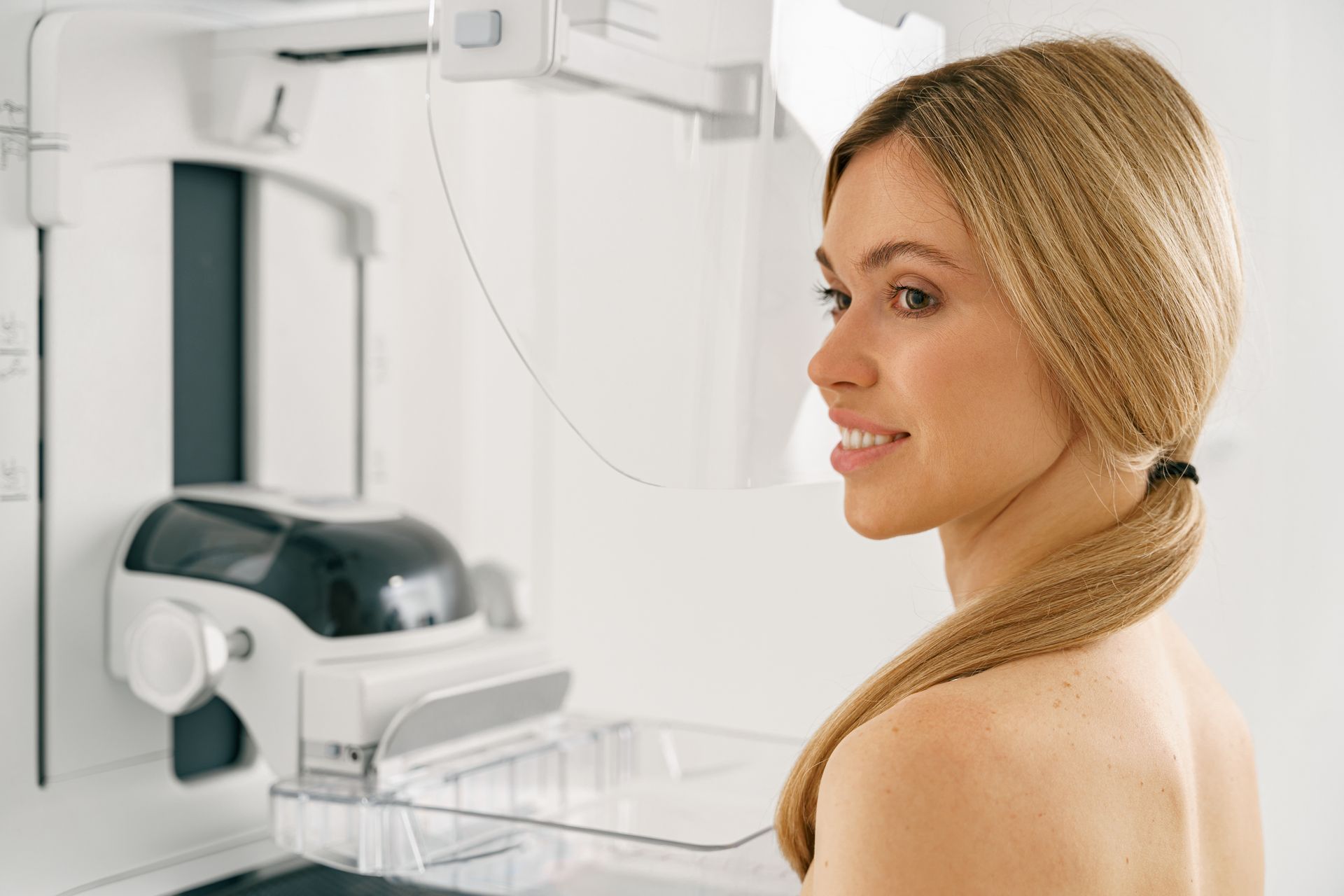
Good breast health is an important part of preventive healthcare at every stage of life. Although mammograms are an important tool for the screening of breast cancer, breast health includes more than just arranging regular imaging. It is important to understand your own breasts, to notice any changes, to talk with your healthcare provider about your risk factors, and to stay on top of the recommended screenings as a way of taking an active approach to breast care. The Bayou Bend Health System provides comprehensive healthcare services and helps patients take knowledgeable steps to preserve their health and wellness. What is the Importance of Breast Health? Breast health can change throughout a person's life because of age, hormones, pregnancy, breastfeeding, medications, and other health issues. If people watch for changes and keep regular medical check-ups, they will be better informed about their specific breast health needs. Proactive breast health may include : • Routine wellness visits • Recommended mammogram screenings • Comprehending personal and family health history • Being aware of changes in breast appearance or feel • Discussing breast cancer risk factors with a medical provider • Following up on unusual or concerning findings Knowing what is normal for your body can make it easier to notice when something needs extra attention. Breast Health in Your 20s and 30s For young adults, breast health generally centers on raising awareness, having regular medical care, and grasping one's own level of risk. Breast tissue can change naturally because of hormonal shifts, pregnancy, and breastfeeding. Mammograms are not usually recommended for every person in this age group, so individuals should discuss their personal and family history with their medical provider. People with certain risk factors may benefit from earlier screening or additional screenings. Breast Health in Your 40s and Beyond Breast cancer screening becomes more and more important as people grow older, and mammograms are capable of picking up changes in the breasts before these changes bring about noticeable symptoms. Screening guidelines may differ according to age, individual risk factors, family history, and other considerations. Discuss with your healthcare provider when to start having mammograms and how often you should be screened. Wellness appointments also offer the chance to talk about any changes, concerns, and other things that may have an effect on your breast health. Know the Changes to Watch For If you know what your breasts usually look like and how they usually feel, this will help you to detect any changes. Changes that you should discuss with a medical provider may include: • A new lump or area of thickening • Changes in breast size or shape • Skin changes, such as dimpling or redness • Changes in the nipple or nipple discharge • Persistent breast pain or discomfort • A newly inverted nipple Even though many changes in the breasts are not due to cancer, it is still necessary for a medical expert to examine any unusual or persistent ones. Take an Active Approach to Breast Health Breast health involves more than one screening procedure. By keeping up with recommended mammograms, understanding your personal risk, knowing what is normal for you, and communicating openly with your provider, you can play an active part in caring for your health. At Bayou Bend Health System, healthcare professionals are dedicated to providing genuine care and helping patients make informed health decisions. If you have questions about breast health, need preventive care, or it's time for a mammogram, our team is ready to help. Make an appointment today by calling (337) 828-0760 and take an important step toward proactive breast health.

Blood tests are common tools healthcare providers use to understand what is happening inside the body. Whether part of a routine physical, a preventive visit, or an evaluation for a specific concern, blood tests give valuable information about overall health. Seeing a list of numbers and medical terms on a lab report can feel overwhelming, but understanding the basics helps patients feel more informed. Bayou Bend Health System offers comprehensive healthcare services and helps patients understand their lab results and what they may mean for their wellness. Why Are Blood Tests Important? Blood tests can provide healthcare providers with information that may not be apparent during a physical examination. They can help monitor overall health, identify likely concerns, and monitor changes over time. Depending on the type of test ordered, blood work may provide information about: • Blood cell counts • Blood sugar levels • Cholesterol and heart health • Kidney and liver function • Electrolyte levels • Nutritional deficiencies • Inflammation or infection • Other indicators of overall health Routine blood tests help healthcare providers spot changes early, so patients can talk over next steps. Understanding a Complete Blood Count (CBC) A complete blood count, or CBC, is a frequently ordered blood test. It measures different types of blood cells and provides information about several aspects of health. A CBC may include measurements of: • Red blood cells that disperse oxygen throughout the body • White blood cells, that fight unwanted infections from spreading • Hemoglobin, a protein that carries oxygen • Hematocrit, which measures the proportion of blood made up of red blood cells • Platelets, which help with blood clotting A healthcare provider explains what individual results mean based on a patient’s health history and other findings. What Do Blood Sugar Tests Tell You? Blood glucose testing measures blood sugar. These tests screen for or monitor blood sugar conditions, including diabetes. Common blood sugar tests include fasting blood glucose and hemoglobin A1C. An A1C test estimates average blood sugar levels over the previous several months. Understanding blood sugar results helps patients and providers discuss nutrition, physical activity, medications, and other factors supporting healthy glucose levels. Understanding Cholesterol and Lipid Tests Cholesterol testing is a common part of preventive healthcare. A lipid panel measures overall cholesterol, LDL cholesterol, HDL cholesterol, and triglycerides. These numbers help healthcare providers evaluate cardiovascular risk alongside elements such as age, blood pressure, family history, lifestyle, and existing health conditions. A single cholesterol number doesn't tell the whole story. Your provider can help interpret your results within the context of your overall health. What Does It Mean When a Result Is “High” or “Low”? Seeing a result marked high or low can cause concern. However, a result outside the reference range does not automatically mean something is wrong. Reference ranges can vary by laboratory, test, and individual factors. Providers consider the complete picture—including symptoms, medical history, medications, and other test results—when interpreting laboratory findings. Patients should avoid self-diagnosing based on individual numbers. Instead, discuss questions or unexpected results with a qualified healthcare professional. Take an Active Role in Your Health Understanding your blood tests can make healthcare visits less confusing and help you have more productive conversations with your provider. If you receive lab results you don't understand, ask questions and ask for an explanation of what the numbers mean for your health. At Bayou Bend Health System, our healthcare professionals are committed to helping patients understand their health and help make informed decisions about their care. Whether you need routine blood work, preventive care, or help understanding your lab results, our team is here to help. Schedule an appointment today by calling (337) 828-0760 and take an important step toward gaining insight and managing your health.

As summer ends, families prepare for a successful school year with new supplies, updated schedules, and fresh goals. While shopping for backpacks and school clothes is important, one essential part of back-to-school preparation is ensuring children are healthy and ready to learn. Routine physicals, recommended vaccines, and preventive healthcare visits help students start the year feeling their best. Bayou Bend Health System provides comprehensive pediatric and family healthcare services to support children and families throughout the school year. Schedule a Back-to-School Physical Exam A yearly physical exam is important to preserve a child’s overall health. These visits let healthcare providers monitor growth, development, and wellness while identifying concerns before they become bigger issues . During a back-to-school physical, providers may review: Height, weight, and growth patterns Blood pressure and vital signs Vision and hearing health Nutrition and physical activity habits Sleep routines and overall wellness Medical history and current health concerns These appointments also give families a chance to ask questions about their child’s health, discuss changes, and get guidance to support healthy habits throughout the school year. Stay Up to Date on Recommended Vaccines Vaccinations are a key part of back-to-school preparation. Immunizations protect children from preventable diseases and help create a healthier school environment by reducing the spread of infections among students, teachers, and families. Depending on age and vaccination history, children may need routine immunizations or booster shots before returning to class. Medical professionals can review records, identify missing vaccines, and help families create a plan to keep children protected. Common school-required or recommended vaccines may include protection against: Tetanus, diphtheria, and pertussis (Tdap) Measles, mumps, and rubella (MMR) Chickenpox (varicella) Meningococcal disease Influenza (flu) Other recommended childhood illnesses Keeping immunizations current helps students attend school safely and confidently. Prepare for Sports and Physical Activities For children in sports, physical activity programs, or extracurricular activities, a sports physical may be required before participation. These evaluations determine if a child is ready for physical activity and let providers identify likely concerns related to heart health, injuries, or other conditions. A sports physical can also be a great time to discuss injury prevention, proper nutrition, hydration, and safe exercise habits. Address Vision, Hearing, and Other Health Concerns Children rely on healthy vision and hearing to participate fully in class. Difficulty seeing the board, hearing instructions, or focusing on lessons can affect educational performance and confidence. A physical exam can help identify concerns early and connect families with additional care when needed. Dealing with these issues before the school year begins allows students to focus on learning free of unnecessary barriers. Support Your Child’s Mental and Emotional Wellness Back-to-school preparation is not only about physical health. Returning to school brings excitement, new challenges, and changes in routines. Healthcare visits provide a chance to discuss mental well-being, stress, anxiety, sleep habits, and other concerns that may affect a child’s success. Candid talks about mental health help children feel cared for as they manage academic and social experiences throughout the year. Start the School Year with Confidence A healthy start can have a notable effect on a child’s school experience. Scheduling physicals, updating vaccines, and handling health concerns before the first day of class help children enter the school year prepared for success. At Bayou Bend Health System, our team is focused on providing compassionate, comprehensive care for children and families. If your child needs a routine checkup, immunizations, sports clearance, or guidance toward maintaining good health, our providers are here to help. Schedule your child’s back-to-school visit today by calling 337-907-6764 and take an important move toward a healthy and successful school year.

Many people delay seeking urinary care due to embarrassment, uncertainty, or the belief that symptoms are a normal part of aging. However, most urologic conditions are highly treatable, and early intervention can positively affect quality of life. Bayou Bend Health System welcomes Kelly Bewsey, MD, PhD, a skilled urologist dedicated to helping patients achieve better urinary and reproductive health through compassionate, bespoke care. Comprehensive Urology Services for Men and Women Dr. Bewsey offers expert evaluation, diagnosis, and treatment for a broad range of urologic conditions in both men and women. He is committed to helping patients find effective solutions and regain confidence in their daily lives, whether they are experiencing symptoms or seeking preventive care. Urinary Tract Infections (UTIs) Urinary tract infections are a common reason for seeking urologic care. Though occasional UTIs are often treated quickly, recurrent infections may signal an underlying issue that needs further evaluation. Dr. Bewsey works with patients to identify the cause of recurring infections and develop treatment plans to help prevent future episodes. Kidney Stones Kidney stones can cause severe pain and frequently require specialized care. Dr. Bewsey provides comprehensive management, including diagnostic evaluations, treatment options, and preventive approaches to reduce the risk of future stones. Bladder Health and Overactive Bladder Bladder conditions can interrupt daily activities, sleep, work, and social engagements. Patients with frequent urination, urgency, or difficulty controlling their bladder may benefit from evaluation for overactive bladder or related conditions. Dr. Bewsey develops individualized treatment plans to improve bladder function and restore comfort. Hematuria (Blood in the Urine) Blood in the urine should never be ignored. Hematuria can result from infections, kidney stones, or more serious conditions. Dr. Bewsey provides thorough diagnostic evaluations to determine the cause and recommend appropriate treatment. Prostate Health and Screenings Prostate health is an important aspect of preventive care for men. Regular screenings can detect concerns early, when treatment is most effective. Dr. Bewsey offers prostate evaluations, screenings, and ongoing management to help patients make educated choices regarding their health. Erectile Dysfunction Erectile dysfunction influences millions of men and may significantly affect confidence, relationships, and well-being. Dr. Bewsey works with patients to identify contributing factors and explore treatment options that address both physical and emotional aspects. Urinary Incontinence and Pelvic Floor Disorders Urinary leakage and pelvic floor disorders are common but often underreported. These conditions can impact individuals of all ages and may result from childbirth, aging, surgery, or other health factors. Dr. Bewsey provides complete evaluations and care plans to improve bladder control and pelvic health. Personal Care You Can Trust At Bayou Bend Health System, we recognize that urologic concerns can be sensitive and difficult to discuss. Dr. Kelly Bewsey is committed to establishing a welcoming environment where patients are comfortable sharing their symptoms and concerns. Through advanced diagnostics, evidence-based treatments, and patient-focused care, he helps individuals achieve better health outcomes and improved quality of life. If you are experiencing urinary symptoms, have concerns about prostate health, or want to learn more about available urology services, schedule an appointment with Dr. Kelly Bewsey, MD, PhD. Expert urologic care is now available close to home at Bayou Bend Health System.

Respiratory infections affect people of all ages, but those with serious conditions face a higher risk of complications. Early recognition of symptoms and early medical attention can prevent serious issues. At Bayou Bend Health System , we are dedicated to providing patients with appropriate, compassionate care when they need it most. What Are Respiratory Infections? Respiratory infections affect the lungs, airways, sinuses, or throat and are usually caused by viruses or bacteria. While some resolve with rest and hydration, others may need medical or emergency care. Common respiratory infections include: Common cold Influenza (flu) Bronchitis Pneumonia COVID-19 Sinus infections Symptoms vary by infection type and severity but often include cough, congestion, sore throat, fever, fatigue, and shortness of breath. When to See Your Doctor Many respiratory infections can be assessed and treated by your primary care provider or at an urgent care clinic. Early care can reduce complications and speed recovery. You should schedule an appointment with your doctor if you experience: Symptoms lasting longer than 7–10 days Persistent fever or worsening cough Mild shortness of breath Wheezing or chest congestion Sinus pain or pressure Fatigue that interferes with daily activities Symptoms that improve and then suddenly worsen Older adults, people with asthma or COPD, and those with weakened immune systems should contact their doctor promptly if respiratory symptoms appear. At Bayou Bend Health System, our healthcare professionals offer in-depth evaluations, diagnostic testing, and specific treatment plans to support recovery and protect long-term respiratory health. Warning Signs That Require Emergency Care Some respiratory illnesses can be managed at home or with routine care, but others may become life-threatening if untreated. Recognizing emergency warning signs is essential. Seek emergency care instantly if you or a loved one experiences: Difficulty breathing or severe shortness of breath Chest pain or pressure Bluish lips or face Lack of clarity or sudden dizziness High fever that will not improve Rapid breathing or inability to speak clearly Harsh dehydration or inability to keep fluids down Symptoms of pneumonia, such as worsening cough, chest pain, and breathing difficulty These symptoms may signal a serious respiratory condition that demands immediate medical attention. Protecting Yourself From Respiratory Illness Prevention is necessary for maintaining respiratory health. Healthy habits and immediate action lower infection risk and help prevent illness from spreading. Helpful prevention tips include: Washing hands frequently Keeping current on flu and pneumonia vaccinations Avoiding close contact with sick individuals Cleaning commonly touched surfaces Consuming fluids and getting sufficient rest Handling chronic health conditions carefully Preventive measures promote respiratory health and strengthen overall wellness year-round. Compassionate Respiratory Care You Can Trust At Bayou Bend Health System , we recognize that respiratory infections can quickly alter daily life and health. Our experienced cohort is committed to delivering prompt evaluations, individualized treatment, and caring support to patients with respiratory symptoms. Whether you need routine care or immediate treatment, understanding the difference between mild symptoms and serious warning signs helps you form informed healthcare decisions. If you or a loved one has respiratory concerns, Bayou Bend Health System is here to provide trusted care at every stage.

Mental health and physical health are equally vital, especially as we age. During Mental Health Awareness Month, Bayou Bend Health System confirms...

Bayou Bend Health System is committed to quality care, delivered by experienced providers dedicated to patients and families. We are pleased...
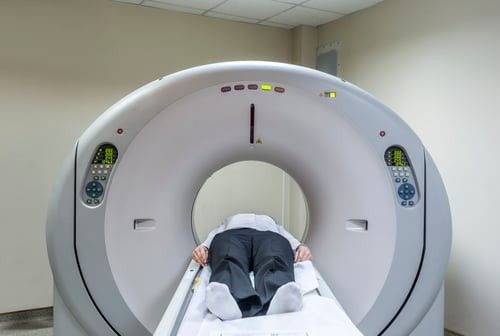
At Bayou Bend Health System, patient comfort and clarity are the top priorities of quality care. If your provider has suggested a wide-bore MRI,

Your heart has been beating nonstop every day since birth, and taking care of it is one of the most important investments you can make. At Bayou Bend Health System , we stay dedicated to helping patients harness, defend, and improve their heart health through genuine care, advanced tech diagnostics, and individualized treatment. That is how a healthier you begins at Bayou Bend Health System. Why Heart Health Matters Heart disease has been and always will be a leading cause of illness, but many cardiovascular issues can be detected and cared for through prevention. Maintaining heart health slims the risk of stroke, heart attack, hypertension, and other miscellaneous complications. Common heart health concerns include: Hypertension (high blood pressure) High cholesterol Coronary artery disease Arrhythmias (Irregular heart rhythms) Heart failure Knowing your risk factors is the path toward prevention. Preventive Care and Early Detection Preventive cardiology plays a crucial role in long-term heart health. Bayou Bend Health System emphasizes regular screenings and diagnostics to identify issues early—before symptoms develop. Preventive heart care may include: Blood pressure evaluations Cholesterol and lipid tests Heart imaging and diagnostic monitoring Lifestyle counseling and risk assessments By identifying cardiovascular issues early, our providers help patients take preventive steps to protect their hearts and well-being. Managing Heart Conditions with Personalized Care Consistent care and evaluation are vital for those living with heart disease or chronic cardiovascular issues. Bayou Bend Health System offers planned care that focuses on managing conditions, minimizing risks, and daily function improvement. Our approach to heart health includes: Medication management and education Ongoing monitoring and follow-up care Specialist coordination Lifestyle change support in the form of nutrition, physical activity, and stopping smoking Treatment plans are tailored to each of the patients, recognizing that no two individuals—nor their hearts—are the same. Heart-Healthy Lifestyle Support Healthy habits protect your heart immensely. Our professionals work alongside patients to support sustainable lifestyle changes that yield cardiovascular health. These include: balanced diet management, physical activity suggestions, stress management, and medical checkups. The smallest of changes can have the biggest impact on heart health over time, especially when encouraged by trusted healthcare specialists. Your Partner in Cardiovascular Wellness With Bayou Bend Health System, heart care is about more than treating conditions—it’s about establishing long-term relationships with patients and structuring healthier futures for us all. Whether you’re invested in prevention, managing a heart issue, or understanding more about your cardiovascular health, we are here to help every step of the way. Today, take control of your heart health. Compassionate providers, the latest medical services, and a commitment to quality care ensure a healthier you begins at Bayou Bend Health System .

At Bayou Bend Fitness Center, we are committed to helping you stay active, warm, and motivated throughout the winter season.

Let’s explore outpatient surgery: how it works; its benefits; what to expect before, during, and after the procedure; and tips for a smooth recovery at home.

When your doctor prescribes medication—whether for high blood pressure, diabetes, asthma, or another condition—the goal is simple: take it as directed.

Migraines are a complex neurological condition that affects millions of individuals worldwide, and their onset can be influenced by seasonal changes.

Along with changing temperatures, fluctuating humidity levels, and increased time spent indoors, the shift between seasons often challenges our immune system.
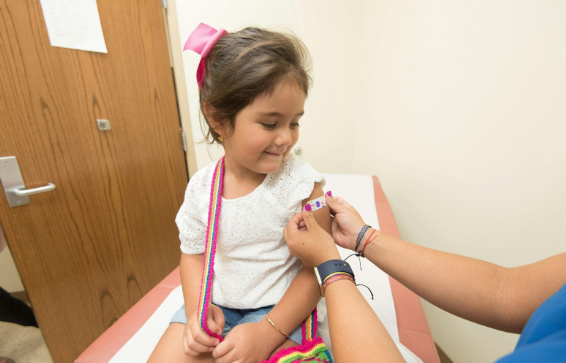
Ensuring your child is physically and mentally prepared to return to school is vital for their academic success and overall well-being.

Summer is the perfect season for sunshine, outdoor adventures, and relaxation. While you’re out enjoying the warm weather, though, your skin can sometimes suffer from the effects of the environment.

Summer is a time for outdoor fun, vacations, and soaking up the sun, but rising temperatures also bring serious health risks. Heat-related illnesses, such as heat exhaustion and heat stroke, can happen quickly and be life-threatening if not addressed.

Joint pain can make everyday activities feel like a challenge. Whether it's due to arthritis, an injury, or general wear and tear, finding relief is a priority for many people.

Let’s Talk About Mental Health How much effort do you focus on your mental health? Do you talk about it with your family and friends as easily as you do about your latest annual physical? May is Mental Health Awareness Month, so maybe it’s time? Mental Health Is More Than Psychological Your mental health includes your emotional, social and psychological well-being. Together, they affect how you think, feel, and act, says SAMHSA , the Substance Abuse and Mental Health Services Administration. How you — and everyone — handle stress, relate to others, and make choices, are all affected by your mental health. Ripple Effect of Mental Health Issues While your mental health is as important on its own, you may not realize how else mental health issues can impact your life, such as: • People with depression have a 40% higher risk of developing cardiovascular and metabolic diseases than the general population. • A third of U.S. adults with mental illness also had a substance abuse disorder in 2021. • High school students with significant depression symptoms are more than twice as likely to drop out compared to their peers. Healthy Well-Being Begins Early You may be surprised to learn that half of all mental health disorders show before a person turns 14 years old and three-fourths begin before age 24, says SAMHSA. Signs to watch for in adults and adolescents may include: • Changes in appetite or sleep patterns • Not performing daily tasks or handling daily problems • Not wanting to hang out with friends or family • Fighting a lot with family and friends; not controlling emotions • Having low or no energy, or feeling hopeless • Feeling confused, forgetful, edgy, angry, upset, worried, or scared • Wanting to harm yourself or others • Smoking or drinking excessively If you feel or see one or more of these signs, you may want to discuss with your primary care doctor or contact the National Alliance on Mental Illness (NAMI) for resources near you. You can contact them directly by calling 1-800-950-NAMI (6264), texting "HelpLine" to 62640 or emailing them at helpline@nami.org . Self-Care Tips for Improving Your Mental Well-Being When struggling with your mental health, in addition to seeking outside help, here are some actions to take: • Stick to a treatment plan; don’t change it without a doctor’s guidance, and keep your primary care physician updated. • Control stress with activities such as meditation or yoga; eat healthy and exercise; and get enough sleep. • Reach out to family and friends for support and help. • Get closer to nature as it can have a calming effect. Take a walk. • Plan things to look forward to doing or people to be seeing. If you or someone you know is experiencing a crisis, please chat, call or text 988.

April is Stress Awareness Month. Stress can significantly impact health and well-being, so it's crucial to understand and manage it.

5 Steps You Can Take to Reduce the Impact of Seasonal Allergies
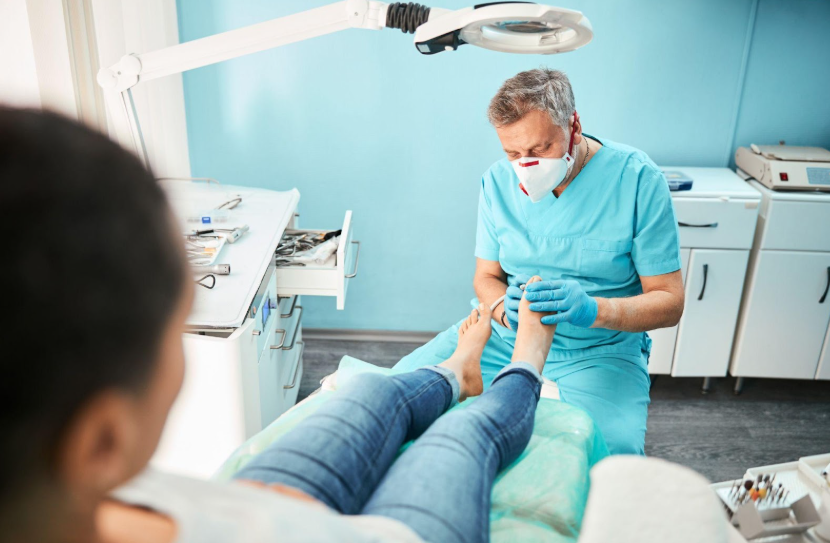
Orthopedics is a specialized branch of medicine that focuses on the diagnosis, treatment, and prevention of conditions affecting the musculoskeletal system. This system includes bones, joints, muscles, ligaments, tendons, and nerves—essentially everything that helps the body move and function properly. Whether it's a sports injury, arthritis, spinal disorder, or a congenital condition, orthopedic care helps people maintain mobility and live pain-free lives.

Living with chronic pain is a relentless challenge that affects not only your body but also your mental well-being. While medications and medical interventions have their place, many people are turning to natural methods to complement or reduce their reliance on these treatments.

Heart disease remains a leading cause of death in the United States, affecting millions of lives each year. Amidst busy schedules and daily distractions, it’s easy to overlook the importance of heart health. February, recognized as American Heart Month, serves as a reminder to prioritize cardiovascular well-being and spread awareness about preventing heart disease.

Many make New Year's resolutions that are related to getting in better shape or losing weight. Setting achievable New Year’s fitness resolutions, when it comes down to it, isn’t about making huge, unattainable promises. It’s about taking small, manageable steps that lead to lasting change.

Bariatric care refers to the medical management and treatment of individuals who are significantly overweight or obese. It goes beyond diet and exercise, offering a comprehensive approach that addresses the health challenges associated with obesity.
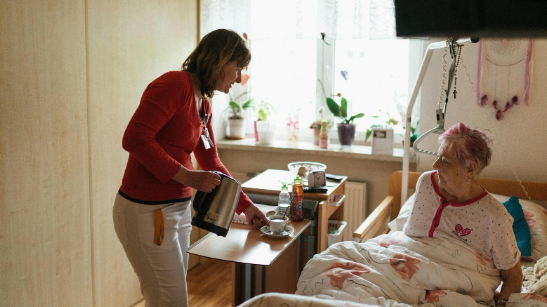
Ageism in healthcare is prejudiced or discriminatory behavior against individuals based on their age, which significantly impacts older adults, leading to unequal treatment and inferior care.

Understanding the connection between genetics and breast cancer risk has become a vital part of modern medicine. Our genes play a significant role in determining our susceptibility to breast cancer, and by cracking the code of these genetic factors, we can better assess and manage our risk.