
How to Start Working Out Again

How to Start Working Out Again

How to Start Working Out Again | Bayou Bend Health System
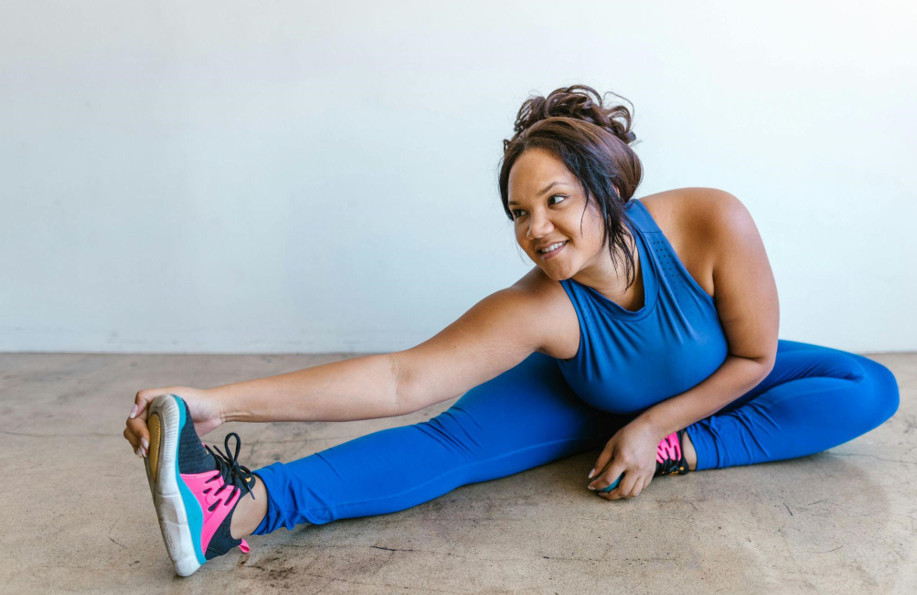
Life can sometimes put our fitness goals on hold. Whether it's a busy schedule, a change in routine, or simply a lack of motivation, getting back into the gym after a break can feel tricky. But here's the good news: it's never too late to reignite your fitness journey!


Read on as we guide you through the process of starting over, help you overcome common hurdles, and set you up for success.


Conquer the Mental Hurdles

The first step is acknowledging the mental challenges holding you back. It's common to feel intimidated, especially if you're returning after a long break. Here are a few ways to overcome these hurdles:


Reframing Your Mindset

The first step is acknowledging the mental challenges holding you back. Instead of viewing exercise as a chore, focus on the positive aspects. Regular physical activity boosts energy levels, improves mood through endorphin release, and strengthens your body, making you feel confident.


Taking Control with Small Steps

Respecting your body's limitations is important. Begin with manageable workouts and gradually increase intensity as you regain fitness.


Set SMART goals (Specific, Measurable, Achievable, Relevant, and Time-bound) to track progress and celebrate milestones, no matter how small. Reward yourself with non-food incentives like a massage or a new workout outfit to reinforce positive behavior.


Finding Your Support System

Consider finding an exercise buddy to keep you motivated. Knowing someone relies on you to show up can be a powerful incentive to stick with your fitness plan They can provide encouragement, promote healthy competition, and add a social element to your routine.


Embrace Imperfections

Focus on progress, not perfection. There will be setbacks and missed workouts along the way. The key is to get back on track when you slip up and avoid letting setbacks derail your progress.


Visualize Success

Take a moment daily to imagine yourself achieving those fitness milestones you've set. Imagine yourself feeling stronger and more energetic and accomplishing your desired results. Visualization can be a powerful tool for motivation and positive reinforcement.


Listen to Your Body

Respecting your body's limitations is important to avoid injuries and burnout. Here's what to keep in mind:


Consult Your Doctor

Schedule a checkup with your doctor before starting a new workout routine, especially if you haven't exercised in a while. A checkup is especially important if you have any pre-existing health conditions. A doctor's clearance ensures you're exercising safely and identifies any potential limitations you should know about.


Start Low and Gradually Increase the Intensity

Start with low-impact activities to ease your body back into exercise. This could involve brisk walking, swimming laps, gentle yoga, or tai chi. These activities are easier on your joints, allowing your body to prepare to exercise gradually. As your fitness improves, you can gradually increase the duration and intensity of your workouts to challenge yourself further.


Respect Your Body's Signals

Pain is your body's way of communicating something's wrong and a signal to slow down. Stop exercising immediately if you feel any pain to prevent potential injuries that could sideline you from your workout routine. Consult with your doctor to identify the source of the pain if it lingers and adjust your workout plan accordingly.


Listen to Your Energy Levels

Just like muscles, your energy reserves need time to recover. Pay attention to your body's fatigue cues. Schedule rest days when needed and adjust your workout intensity accordingly. Don't be afraid to take a break if you feel overly tired.


Craft a Personalized Workout Plan

A well-designed workout plan will keep you engaged and ensure that you target different muscle groups. Let's explore some ideas to help you build a plan that fits your needs:


  • Consider Your Goals: Do you want to lose weight, gain muscle, or simply improve your overall fitness? Once you define your goals, choosing exercises that target those areas becomes much easier.
  • Variety is Key: Your plan should include a mix of cardio activities, strength training, and flexibility exercises. This will keep things interesting and help you develop a well-rounded fitness base.
  • Consider Your Time Constraints: Be realistic about how much time you can dedicate to exercise. If you're short on time, opt for high-intensity interval training (HIIT) workouts or shorter but more intense sessions.
  • Seek Guidance from Professionals: Consider consulting with a certified personal trainer who can create a personalized plan tailored to your goals and fitness level. The Bayou Bend Fitness Center offers certified trainers to help you design a safe and effective program. The expert trainers there cater to all fitness levels, from beginners to seasoned athletes.


Make Fitness a Sustainable Habit

The key to reaping the long-term benefits of exercise is integrating it seamlessly into your lifestyle. Here's how to transform exercise from a chore into a sustainable habit you can enjoy for years to come:


Discover Your Exercise Passion

Choose activities you genuinely find fun. This could be anything from dancing to a Zumba class to exploring nature through hiking or the thrill of rock climbing. When exercise feels enjoyable, it becomes an activity you look forward to, not a burden you have to force yourself through.


Schedule Your Sweat Sessions

Treat your workouts like important appointments. Block out dedicated time in your calendar for exercise and prioritize it just like any other commitment. Scheduling increases your chances of following through, especially when life gets busy.


Make It Convenient

Remove barriers to exercise by making it accessible and convenient. Keep your workout clothes and gear readily available at home or work. If you prefer morning workouts, lay out your clothes the night before to eliminate the morning scramble. Short on time? Look for online workout videos or bodyweight exercises you can do at home. Alternatively, consider shorter but more intense sessions like high-intensity interval training (HIIT) workouts. The easier you make it to start, the more likely you are to stick with it in the long run.


Track Your Progress

Monitoring your progress is a powerful motivator. Utilize a fitness tracker, app, or a simple journal to record your workouts. Witnessing your improvement, no matter how small, can boost your confidence and keep you motivated. Celebrate milestones, like completing a longer run or lifting heavier weights, to maintain a sense of accomplishment.


Reward Yourself

Acknowledge your achievements with non-food rewards. After achieving a milestone, treat yourself to something like a spa day, a new pair of runners you've been eyeing, or a relaxing bath. This reinforces positive behavior and motivates you to continue your fitness journey.


Focus on Progress, Not Perfection

There will be setbacks along the way. You may miss a workout due to unforeseen circumstances or experience a temporary dip in motivation. Don't let these setbacks derail your progress. The key is to get back on track as soon as possible and remember that consistency, not perfection, is the key to long-term success.


Rekindle your love for fitness and reignite your well-being journey. The certified trainers at Bayou Bend Fitness Center can design a personalized plan to fit your goals and get you moving safely and effectively. Together, let's create a sustainable routine that fits your lifestyle and empowers you to achieve lasting results. Don't wait any longer; contact us today and take the first step towards a healthier, happier you!
September 23, 2026
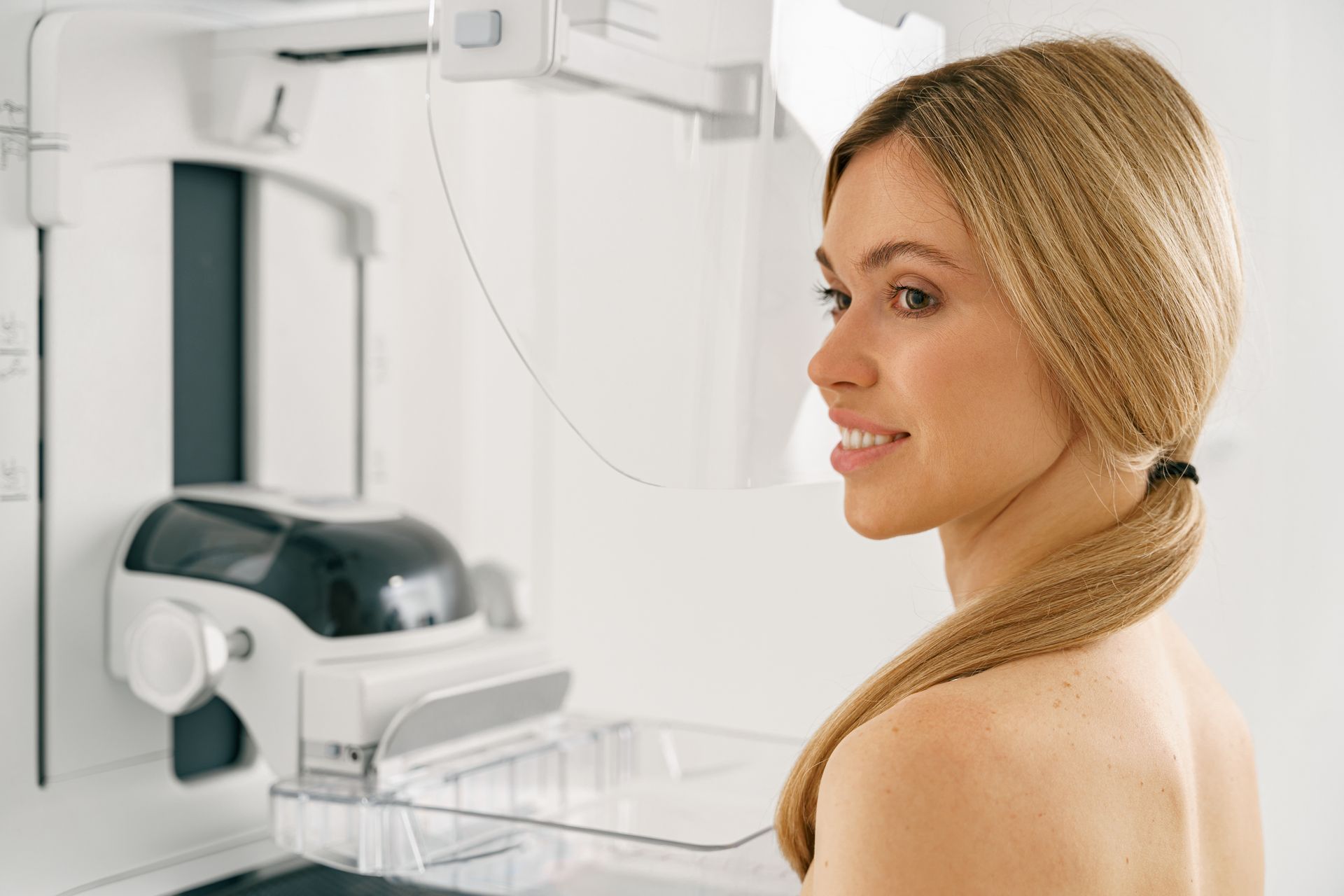
Good breast health is an important part of preventive healthcare at every stage of life. Although mammograms are an important tool for the screening of breast cancer, breast health includes more than just arranging regular imaging. It is important to understand your own breasts, to notice any changes, to talk with your healthcare provider about your risk factors, and to stay on top of the recommended screenings as a way of taking an active approach to breast care. The Bayou Bend Health System provides comprehensive healthcare services and helps patients take knowledgeable steps to preserve their health and wellness. What is the Importance of Breast Health? Breast health can change throughout a person's life because of age, hormones, pregnancy, breastfeeding, medications, and other health issues. If people watch for changes and keep regular medical check-ups, they will be better informed about their specific breast health needs. Proactive breast health may include : • Routine wellness visits • Recommended mammogram screenings • Comprehending personal and family health history • Being aware of changes in breast appearance or feel • Discussing breast cancer risk factors with a medical provider • Following up on unusual or concerning findings Knowing what is normal for your body can make it easier to notice when something needs extra attention. Breast Health in Your 20s and 30s For young adults, breast health generally centers on raising awareness, having regular medical care, and grasping one's own level of risk. Breast tissue can change naturally because of hormonal shifts, pregnancy, and breastfeeding. Mammograms are not usually recommended for every person in this age group, so individuals should discuss their personal and family history with their medical provider. People with certain risk factors may benefit from earlier screening or additional screenings. Breast Health in Your 40s and Beyond Breast cancer screening becomes more and more important as people grow older, and mammograms are capable of picking up changes in the breasts before these changes bring about noticeable symptoms. Screening guidelines may differ according to age, individual risk factors, family history, and other considerations. Discuss with your healthcare provider when to start having mammograms and how often you should be screened. Wellness appointments also offer the chance to talk about any changes, concerns, and other things that may have an effect on your breast health. Know the Changes to Watch For If you know what your breasts usually look like and how they usually feel, this will help you to detect any changes. Changes that you should discuss with a medical provider may include: • A new lump or area of thickening • Changes in breast size or shape • Skin changes, such as dimpling or redness • Changes in the nipple or nipple discharge • Persistent breast pain or discomfort • A newly inverted nipple Even though many changes in the breasts are not due to cancer, it is still necessary for a medical expert to examine any unusual or persistent ones. Take an Active Approach to Breast Health Breast health involves more than one screening procedure. By keeping up with recommended mammograms, understanding your personal risk, knowing what is normal for you, and communicating openly with your provider, you can play an active part in caring for your health. At Bayou Bend Health System, healthcare professionals are dedicated to providing genuine care and helping patients make informed health decisions. If you have questions about breast health, need preventive care, or it's time for a mammogram, our team is ready to help.  Make an appointment today by calling (337) 828-0760 and take an important step toward proactive breast health.
August 28, 2026
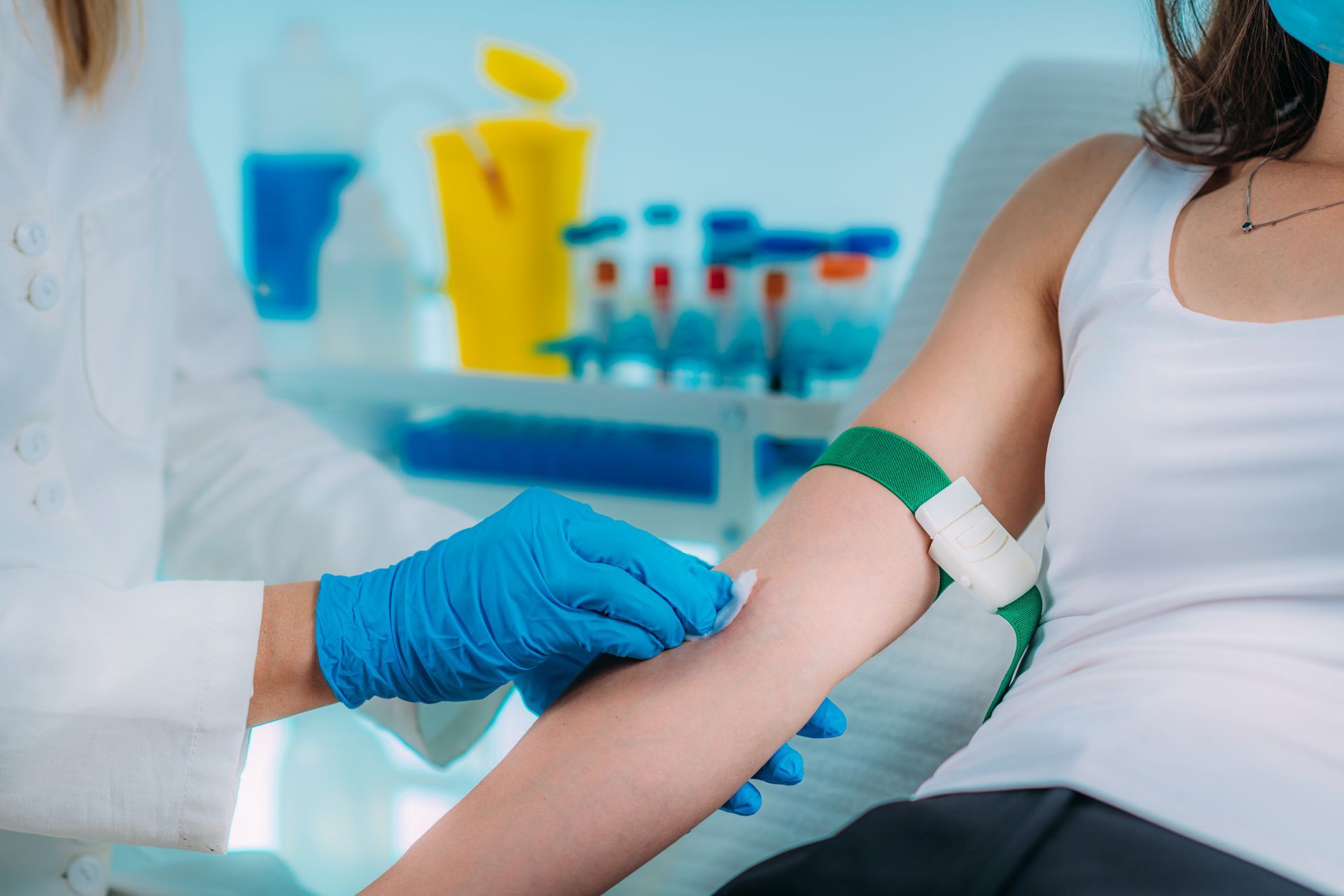
Blood tests are common tools healthcare providers use to understand what is happening inside the body. Whether part of a routine physical, a preventive visit, or an evaluation for a specific concern, blood tests give valuable information about overall health. Seeing a list of numbers and medical terms on a lab report can feel overwhelming, but understanding the basics helps patients feel more informed. Bayou Bend Health System offers comprehensive healthcare services and helps patients understand their lab results and what they may mean for their wellness. Why Are Blood Tests Important? Blood tests can provide healthcare providers with information that may not be apparent during a physical examination. They can help monitor overall health, identify likely concerns, and monitor changes over time. Depending on the type of test ordered, blood work may provide information about: • Blood cell counts • Blood sugar levels • Cholesterol and heart health • Kidney and liver function • Electrolyte levels • Nutritional deficiencies • Inflammation or infection • Other indicators of overall health Routine blood tests help healthcare providers spot changes early, so patients can talk over next steps. Understanding a Complete Blood Count (CBC) A complete blood count, or CBC, is a frequently ordered blood test. It measures different types of blood cells and provides information about several aspects of health. A CBC may include measurements of: • Red blood cells that disperse oxygen throughout the body • White blood cells, that fight unwanted infections from spreading • Hemoglobin, a protein that carries oxygen • Hematocrit, which measures the proportion of blood made up of red blood cells • Platelets, which help with blood clotting A healthcare provider explains what individual results mean based on a patient’s health history and other findings. What Do Blood Sugar Tests Tell You? Blood glucose testing measures blood sugar. These tests screen for or monitor blood sugar conditions, including diabetes. Common blood sugar tests include fasting blood glucose and hemoglobin A1C. An A1C test estimates average blood sugar levels over the previous several months. Understanding blood sugar results helps patients and providers discuss nutrition, physical activity, medications, and other factors supporting healthy glucose levels. Understanding Cholesterol and Lipid Tests Cholesterol testing is a common part of preventive healthcare. A lipid panel measures overall cholesterol, LDL cholesterol, HDL cholesterol, and triglycerides. These numbers help healthcare providers evaluate cardiovascular risk alongside elements such as age, blood pressure, family history, lifestyle, and existing health conditions. A single cholesterol number doesn't tell the whole story. Your provider can help interpret your results within the context of your overall health. What Does It Mean When a Result Is “High” or “Low”? Seeing a result marked high or low can cause concern. However, a result outside the reference range does not automatically mean something is wrong. Reference ranges can vary by laboratory, test, and individual factors. Providers consider the complete picture—including symptoms, medical history, medications, and other test results—when interpreting laboratory findings. Patients should avoid self-diagnosing based on individual numbers. Instead, discuss questions or unexpected results with a qualified healthcare professional. Take an Active Role in Your Health Understanding your blood tests can make healthcare visits less confusing and help you have more productive conversations with your provider. If you receive lab results you don't understand, ask questions and ask for an explanation of what the numbers mean for your health. At Bayou Bend Health System, our healthcare professionals are committed to helping patients understand their health and help make informed decisions about their care. Whether you need routine blood work, preventive care, or help understanding your lab results, our team is here to help.  Schedule an appointment today by calling (337) 828-0760 and take an important step toward gaining insight and managing your health.
July 29, 2026
As summer ends, families prepare for a successful school year with new supplies, updated schedules, and fresh goals. While shopping for backpacks and school clothes is important, one essential part of back-to-school preparation is ensuring children are healthy and ready to learn. Routine physicals, recommended vaccines, and preventive healthcare visits help students start the year feeling their best. Bayou Bend Health System provides comprehensive pediatric and family healthcare services to support children and families throughout the school year. Schedule a Back-to-School Physical Exam A yearly physical exam is important to preserve a child’s overall health. These visits let healthcare providers monitor growth, development, and wellness while identifying concerns before they become bigger issues . During a back-to-school physical, providers may review: Height, weight, and growth patterns Blood pressure and vital signs Vision and hearing health Nutrition and physical activity habits Sleep routines and overall wellness Medical history and current health concerns These appointments also give families a chance to ask questions about their child’s health, discuss changes, and get guidance to support healthy habits throughout the school year. Stay Up to Date on Recommended Vaccines Vaccinations are a key part of back-to-school preparation. Immunizations protect children from preventable diseases and help create a healthier school environment by reducing the spread of infections among students, teachers, and families. Depending on age and vaccination history, children may need routine immunizations or booster shots before returning to class. Medical professionals can review records, identify missing vaccines, and help families create a plan to keep children protected. Common school-required or recommended vaccines may include protection against: Tetanus, diphtheria, and pertussis (Tdap) Measles, mumps, and rubella (MMR) Chickenpox (varicella) Meningococcal disease Influenza (flu) Other recommended childhood illnesses Keeping immunizations current helps students attend school safely and confidently. Prepare for Sports and Physical Activities For children in sports, physical activity programs, or extracurricular activities, a sports physical may be required before participation. These evaluations determine if a child is ready for physical activity and let providers identify likely concerns related to heart health, injuries, or other conditions. A sports physical can also be a great time to discuss injury prevention, proper nutrition, hydration, and safe exercise habits. Address Vision, Hearing, and Other Health Concerns Children rely on healthy vision and hearing to participate fully in class. Difficulty seeing the board, hearing instructions, or focusing on lessons can affect educational performance and confidence. A physical exam can help identify concerns early and connect families with additional care when needed. Dealing with these issues before the school year begins allows students to focus on learning free of unnecessary barriers. Support Your Child’s Mental and Emotional Wellness Back-to-school preparation is not only about physical health. Returning to school brings excitement, new challenges, and changes in routines. Healthcare visits provide a chance to discuss mental well-being, stress, anxiety, sleep habits, and other concerns that may affect a child’s success. Candid talks about mental health help children feel cared for as they manage academic and social experiences throughout the year. Start the School Year with Confidence A healthy start can have a notable effect on a child’s school experience. Scheduling physicals, updating vaccines, and handling health concerns before the first day of class help children enter the school year prepared for success. At Bayou Bend Health System, our team is focused on providing compassionate, comprehensive care for children and families. If your child needs a routine checkup, immunizations, sports clearance, or guidance toward maintaining good health, our providers are here to help. Schedule your child’s back-to-school visit today by calling 337-907-6764 and take an important move toward a healthy and successful school year.